


Wrath of Olympus: Embark on a Mythical Journey
In the ever-expanding universe of video games, Wrath of Olympus stands out as a masterpiece that seamlessly blends strategic gameplay with the rich tapestry of Greek mythology. As players dive into this mythical world, they are met with a narrative that intertwines the fates of legendary gods and heroes. With a captivating storyline and intricate gameplay mechanics, Wrath of Olympus has quickly garnered a devoted fan base around the globe.
Introduction to the World of Wrath of Olympus
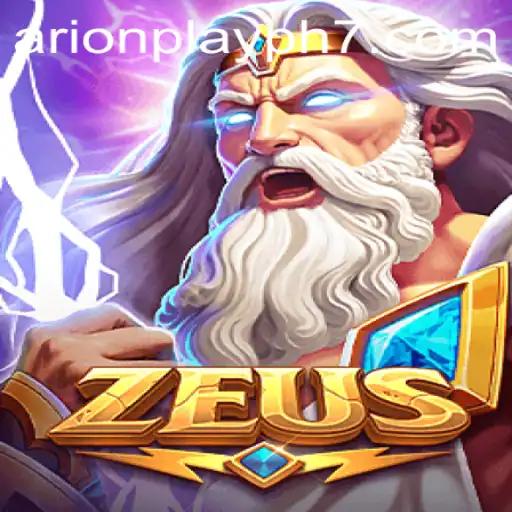
Set in the ancient mythological realm of Greece, Wrath of Olympus invites players to assume the roles of legendary figures such as Zeus, Hercules, and Athena. The central conflict revolves around a catastrophic event that threatens the divine balance, compelling gods and demigods alike to ally with or against each other to restore harmony. This enthralling premise captures the player’s attention from the outset, urging them to explore the mysteries and challenges that lie ahead.
The game appeals to enthusiasts of both mythology and strategy alike, offering a robust and immersive experience that demands critical thinking and tactical acumen. With every decision carrying weighty consequences, players are consistently engaged, ensuring a dynamic and exhilarating journey through the ages.
Gameplay Mechanics and Objectives
Wrath of Olympus is not just about powerful deities and epic battles. At its core, it is a richly layered strategic experience that tests the player's ability to strategize and adapt. The game combines elements of resource management, territory control, and hero customization. Players must make judicious decisions on how to allocate limited resources, expand their dominion, and enhance their heroes' abilities to gain an edge over adversaries.
Each player starts by selecting a deity or hero, which determines their unique abilities and playstyle. As players progress, they unlock new skills and relics that augment their chosen character's strengths, making every game different and personalized. Aside from character development, the game involves engaging in tactical skirmishes, forging alliances, and outmaneuvering opponents in an expansive map filled with ancient landmarks and hidden treasures.
The Role of the Divine Pantheon
The player’s engagement with the Pantheon of Olympian gods is a central theme in Wrath of Olympus. Players can call upon various gods to aid them in their quests. Each god possesses unique powers that can influence the game's outcome. For example, Zeus may unleash devastating storms, while Poseidon can summon the ocean's fury to reshape the battlefield. Mastering the synergy between gods and heroes is crucial for overcoming increasingly formidable foes.
With each victory on the battlefield, players earn favor, unlocking divine blessings that further bolster their strategies. This system ensures that players are incentivized to interact with the deities, adding depth and replay value to the game.
Current Events and Relevance
Recently, Wrath of Olympus has seen a surge in popularity, capturing the attention of gamers and streamers worldwide. Notably, influential gaming personality Arionplay has introduced a new wave of interest by featuring Wrath of Olympus in their gaming streams. With focused commentary and immersive gameplay walkthroughs, Arionplay has brought the game into the limelight, showcasing its depth to a broader audience.
The recent expansion pack, unveiled at a premiere gaming expo, also contributed to the game's renewed interest. This expansion introduced new heroes, gods, and quests, enriching the universe and expanding the possibilities for seasoned and new players alike.
Another significant event is the game's competitive scene, which has been burgeoning with new tournaments offering players the opportunity to showcase their skills on a global stage. These events have fostered a community dedicated to strategy and innovation, uniting players from various backgrounds in their shared passion for Wrath of Olympus.
Rules and Strategic Considerations
Understanding the rules is paramount for success in Wrath of Olympus. The game is played over a series of turns, each divided into phases of resource gathering, action execution, and resolution. Players must carefully plan their moves, considering both immediate goals and long-term strategies to stay ahead of their opponents.
A fundamental aspect of the game is resource management, where players must balance the acquisition of gold, relics, and divine favor. Proper management of these resources enables players to expand their territories, recruit powerful allies, and unleash devastating abilities to turn the tides of battle. The ability to anticipate opponents’ actions and formulate counter-strategies is what separates seasoned players from novices.
Another rule involves the diplomatic aspect of the game, where players can form temporary alliances to tackle common threats. However, such alliances are fickle, and players must tread carefully to ensure their own survival and victory. Each player must weigh the benefits of cooperation against the potential betrayal that often characterizes alliances within the game.
Lastly, victory is not solely about combat; players can also pursue objectives that influence the broader narrative, completing quests that earn them additional rewards and prestige. These objectives encourage exploration and interaction with the game world, ensuring that each playthrough offers new discoveries and challenges.